
The Following are Members of The Universe Institute Advisory Board.
Otto Laske
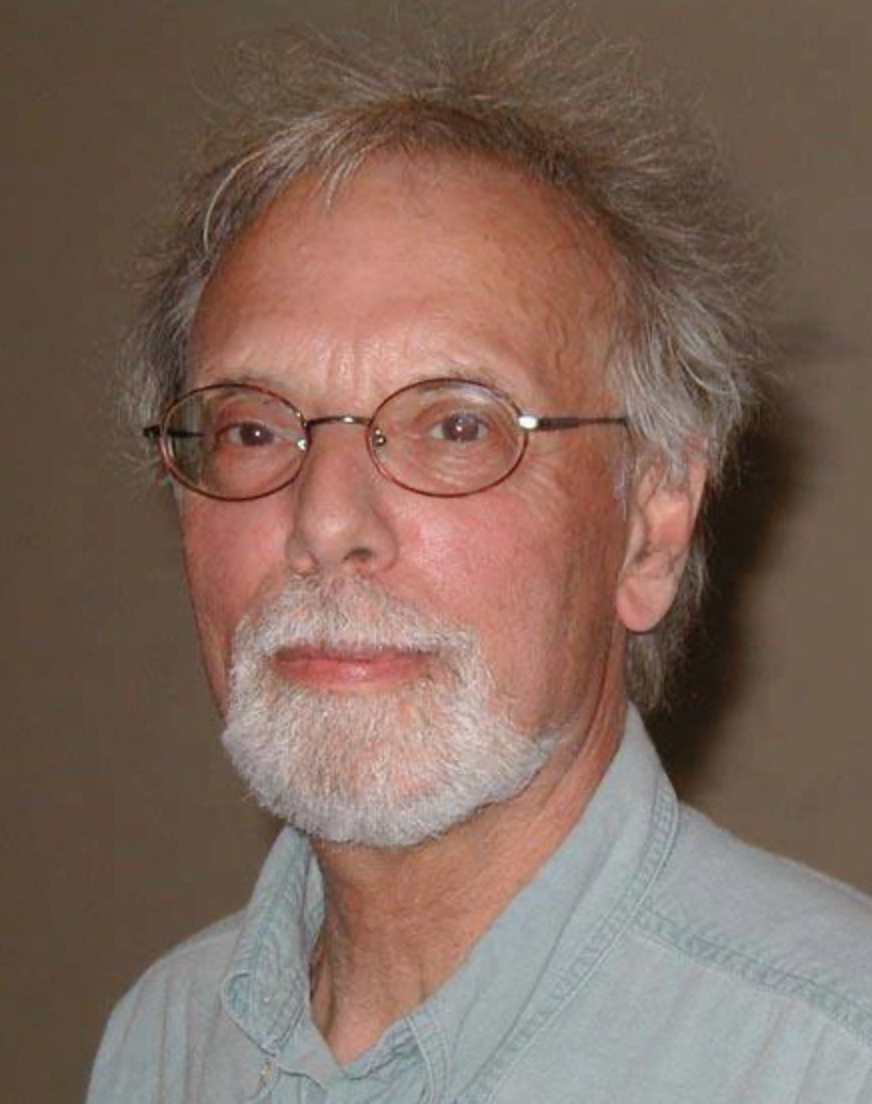
Otto Laske, formerly of the Frankfurt School and Harvard, is now a multidisciplinary consultant, scholar, teacher, and coach known for his cutting-edge work in social science methodology and his rekindling of dialectics, an ancient form of complex thinking and systems-level analysis. He is the originator of the dialectical thought form methodology (DTF) used in DMAP applications.
Three aspects and unique uses distinguish Otto Laske's original dialectical thought forms, DTF work:
-
-
- DMAP advanced analysis and problem-solving for science.
- The consulting/coaching/services side.
- The purely educational side (as an extension of the adult-developmental).
-
Laske is the author of many books and articles on how to boost and measure thought maturity and ‘vertical’ adult development, detailing their impact on work delivery and teamwork in organizations. Dr Laske is a specialist in the assessment of thought and work complexity. He is the Founder and Director of the Interdevelopmental Institute (IDM), Gloucester, MA, USA (www.interdevelopmentals.org).
Click here for the encyclopedia entry on Otto Laske and his dialectical thought form work, DTF. (This entry speaks mainly about the second and third uses listed above, as the DMAP application came later.)
Click here for Otto Laske's LinkedIn account, which provides more details on his background.
Here is a Video discussing Dialectical Metasystemic Thinking Processes and Otto Laske, by Leading Students
The beginning of this video explains how the step-by-step process of DMAP is used for advanced climate change research analysis. Other individuals he has trained also praise the value of this new thinking, analysis, and decision-making breakthrough, or discuss DTF's other uses above.
Iva Vurdelja
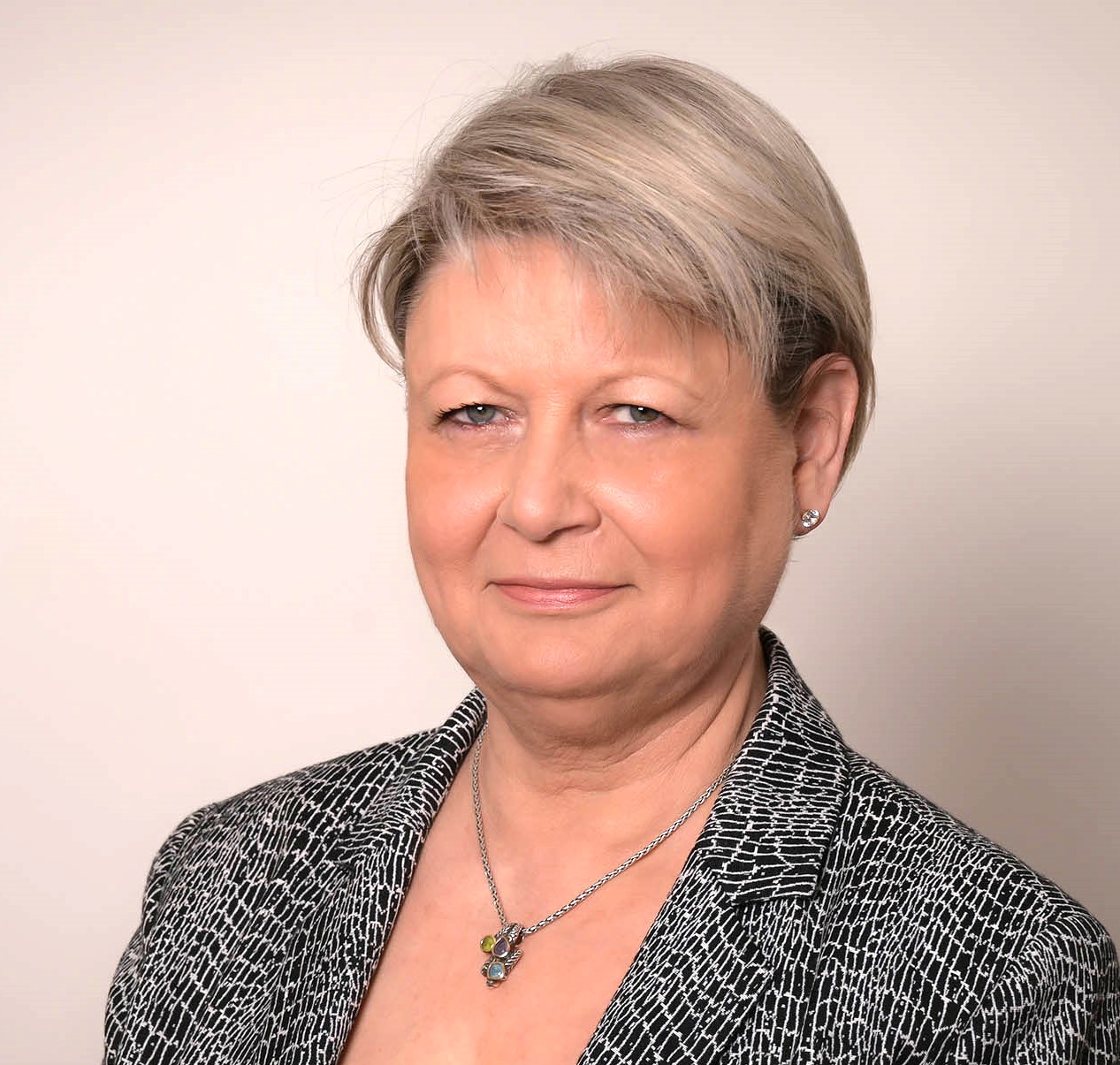
www.linkedin.com/in/ivavurdelja
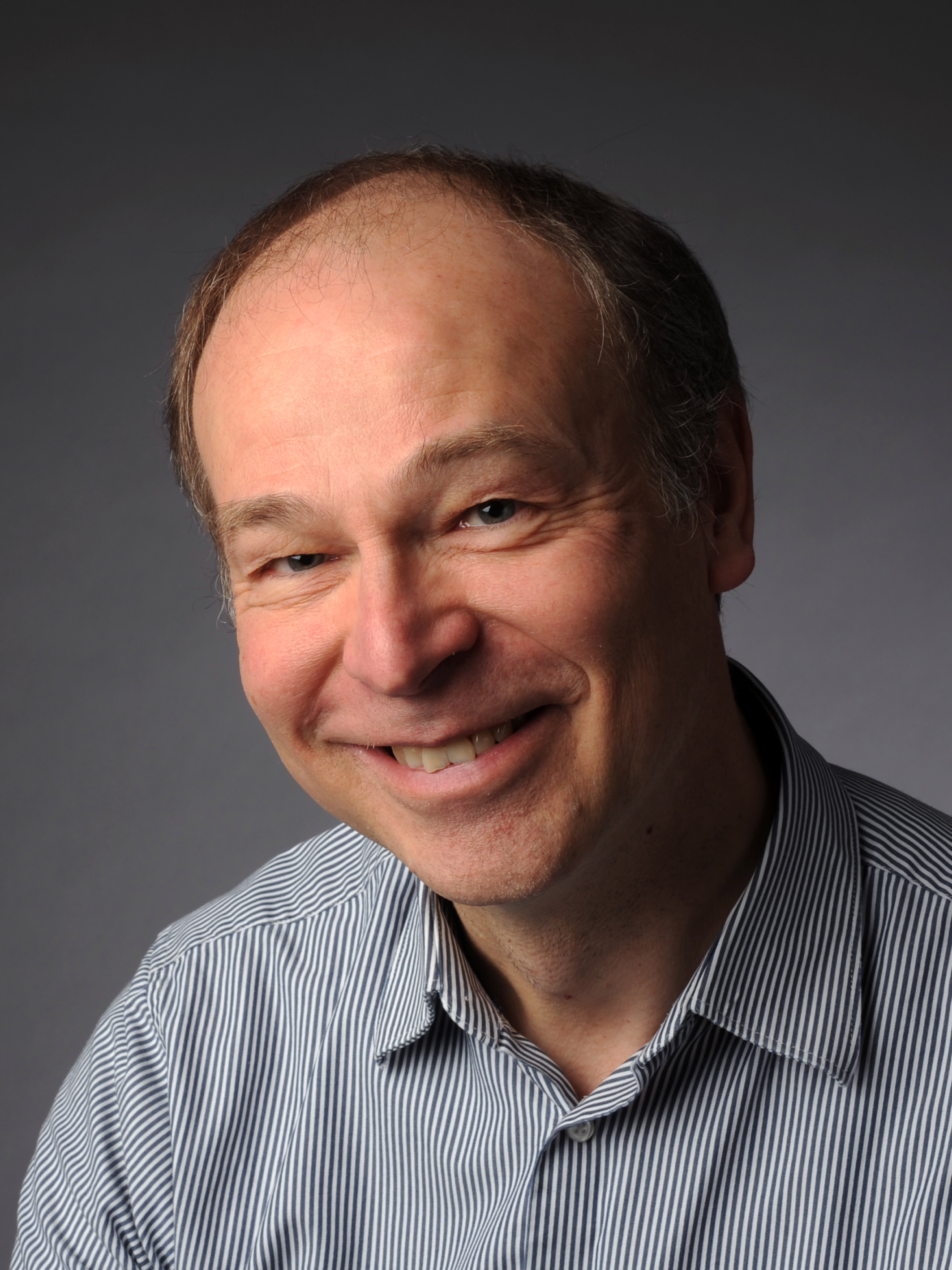

John Stewart is a consultant and a significant contributor to research papers at the Universe Institute. He is an Australian-based evolutionary theorist and activist and a member of the Evolution, Complexity, and Cognition Research Group at the Free University of Brussels. As an evolutionary theorist, he has focused on the trajectory of evolution.
His work on the directionality of evolution and its implications for humanity has been published in numerous peer-reviewed international scientific journals. These include papers on the potential for humans to enhance their psychological capacities through the future evolution of consciousness.
He is the author of the internationally acclaimed book ‘Evolution’s Arrow: The Direction of Evolution and the Future of Humanity’. In 2008, he was a keynote speaker at the first international scientific conference on ‘The Evolution and Development of the Universe’ held in Paris.
As an evolutionary activist, he uses a science-based understanding of evolution's trajectory to identify how humanity must evolve to continue succeeding in evolutionary terms. He has summarized his approach in The Evolutionary Manifesto. The Manifesto demonstrates the potential of an evolutionary worldview to provide meaning, purpose, and direction for human existence.
His many publications demonstrate that humanity must intentionally advance the evolutionary process on Earth if we are to participate positively in the future evolution of life in the universe. If we are to survive and flourish indefinitely into the future, we must adapt in whatever ways are necessary to remain aligned with evolution’s trajectory. Key next steps on the trajectory include establishing a unified, highly evolvable global society and developing higher cognition. This will involve intentionally reorganizing our political and social systems and working on ourselves to enhance our consciousness and cognition.
His most recent book is ‘Human Superintelligence: How you can develop it using recursive self-improvement’. The book provides a set of science-based psycho-technologies that will enable you to escalate your intelligence and cognition. It shows how they can be used recursively to improve your cognition indefinitely.
The book demonstrates how higher cognition will enable humanity to comprehend for the first time the nature and implications of the large-scale evolutionary processes that have shaped humanity and will govern our future.
Do you like this page?
